All Categories
-
Fiction
- Adventure
- Horror
- Humour
- Literature
- Mystery
- Novel
- Historical
- Ghost Story
- Children
- Crime
- Comedy
- Cultural
- Domestic
- Drama
- Educational
- Family
- Fantasy
- Folk Tale & Myth
- Friendship
- Psychological
- Victorian Society
- Travel
- Thriller
- Suspense
- Survival
- Sports
- Social Issue
- Social Critism
- Short Stories
- Science
- Romance
- Young Adult
- Non-Fiction

Jane Austen
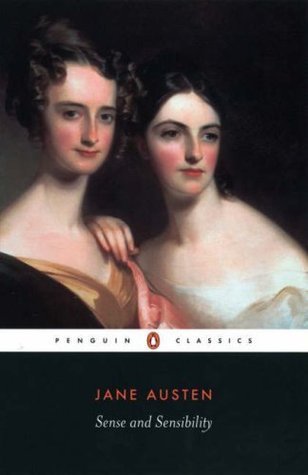
Sense and Sensibility
Authors: Jane Austen
In Fiction, Historical, Romance
The more I know of the world, the more am I convinced that I shall never see a man whom I can really love. Irequire so much!' Marianne Dashwood wears her heart on her sleeve, and when she falls in love with the dashing but unsuitable John Willoughby she ignores her sister Elinor's warning that her impulsive behaviour leaves her open to gossip and innuendo. Meanwhile Elinor, always sensitive to social convention, is struggling to conceal her own romantic disappointment, even from those closest to her. Through their parallel experience of love??and its threatened loss??the sisters learn that sense must mix with sensibility if they are to find personal happiness in a society where status and money govern the rules of love.
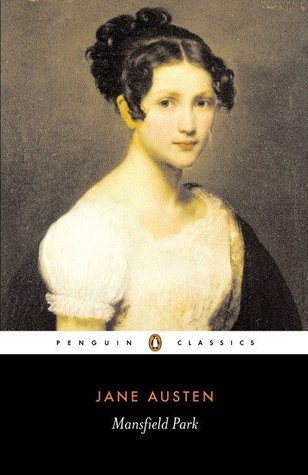
Mansfield Park
Authors: Jane Austen
In Fiction, Historical, Romance
Taken from the poverty of her parents' home in Portsmouth, Fanny Price is brought up with her rich cousins at Mansfield Park, acutely aware of her humble rank and with her cousin Edmund as her sole ally. During her uncle's absence in Antigua, the Crawford's arrive in the neighbourhood bringing with them the glamour of London life and a reckless taste for flirtation. Mansfield Park is considered Jane Austen's first mature work and, with its quiet heroine and subtle examination of social position and moral integrity, one of her most profound.
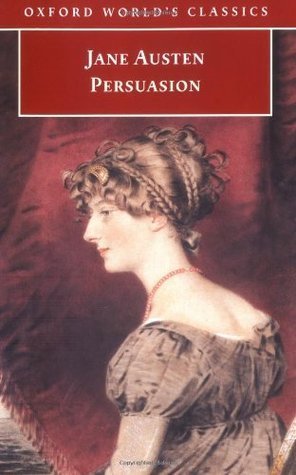
Persuasion
Authors: Jane Austen
In Fiction, Historical, Romance
Persuasion is Jane Austen's last completed novel. She began it soon after she had finished Emma, completing it in August 1816. She died, aged 41, in 1817; Persuasion was published in December that year (but dated 1818). Persuasion is linked to Northanger Abbey not only by the fact that the two books were originally bound up in one volume and published together, but also because both stories are set partly in Bath, a fashionable city with which Austen was well acquainted, having lived there from 1801 to 1805. Besides the theme of persuasion, the novel evokes other topics, such as the Royal Navy, in which two of Jane Austen's brothers ultimately rose to the rank of admiral. As in Northanger Abbey, the superficial social life of Bath-well known to Austen, who spent several relatively unhappy and unproductive years there-is portrayed extensively and serves as a setting for the second half of the book. In many respects Persuasion marks a break with Austen's previous works, both in the more biting, even irritable satire directed at some of the novel's characters and in the regretful, resigned outlook of its otherwise admirable heroine, Anne Elliot, in the first part of the story. Against this is set the energy and appeal of the Royal Navy, which symbolises for Anne and the reader the possibility of a more outgoing, engaged, and fulfilling life, and it is this worldview which triumphs for the most part at the end of the novel.
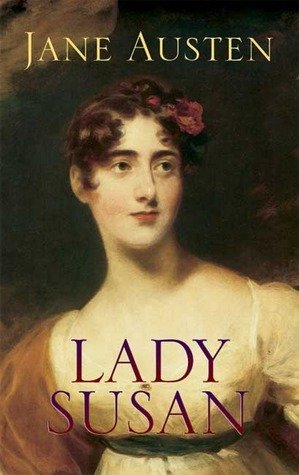
Lady Susan
Authors: Jane Austen
In Fiction, Historical, Romance
Beautiful, flirtatious, and recently widowed, Lady Susan Vernon seeks an advantageous second marriage for herself, while attempting to push her daughter into a dismal match. A magnificently crafted novel of Regency manners and mores that will delight Austen enthusiasts with its wit and elegant expression.
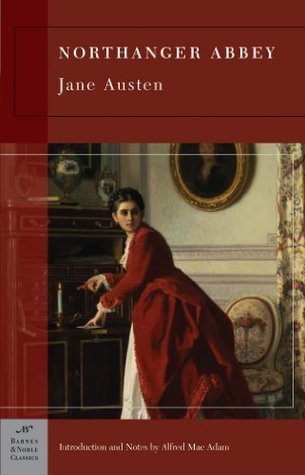
Northanger Abbey
Authors: Jane Austen
In Fiction, Historical, Romance
The story's unlikely heroine is Catherine Morland, a remarkably innocent seventeen-year-old woman from a country parsonage. While spending a few weeks in Bath with a family friend, Catherine meets and falls in love with Henry Tilney, who invites her to visit his family estate, Northanger Abbey. Once there, Catherine, a great reader of Gothic thrillers, lets the shadowy atmosphere of the old mansion fill her mind with terrible suspicions. What is the mystery surrounding the death of Henry's mother? Is the family concealing a terrible secret within the elegant rooms of the Abbey? Can she trust Henry, or is he part of an evil conspiracy? Catherine finds dreadful portents in the most prosaic events, until Henry persuades her to see the peril in confusing life with art. Executed with high-spirited gusto, Northanger Abbey is a lighthearted, yet unsentimental commentary on love and marriage.